

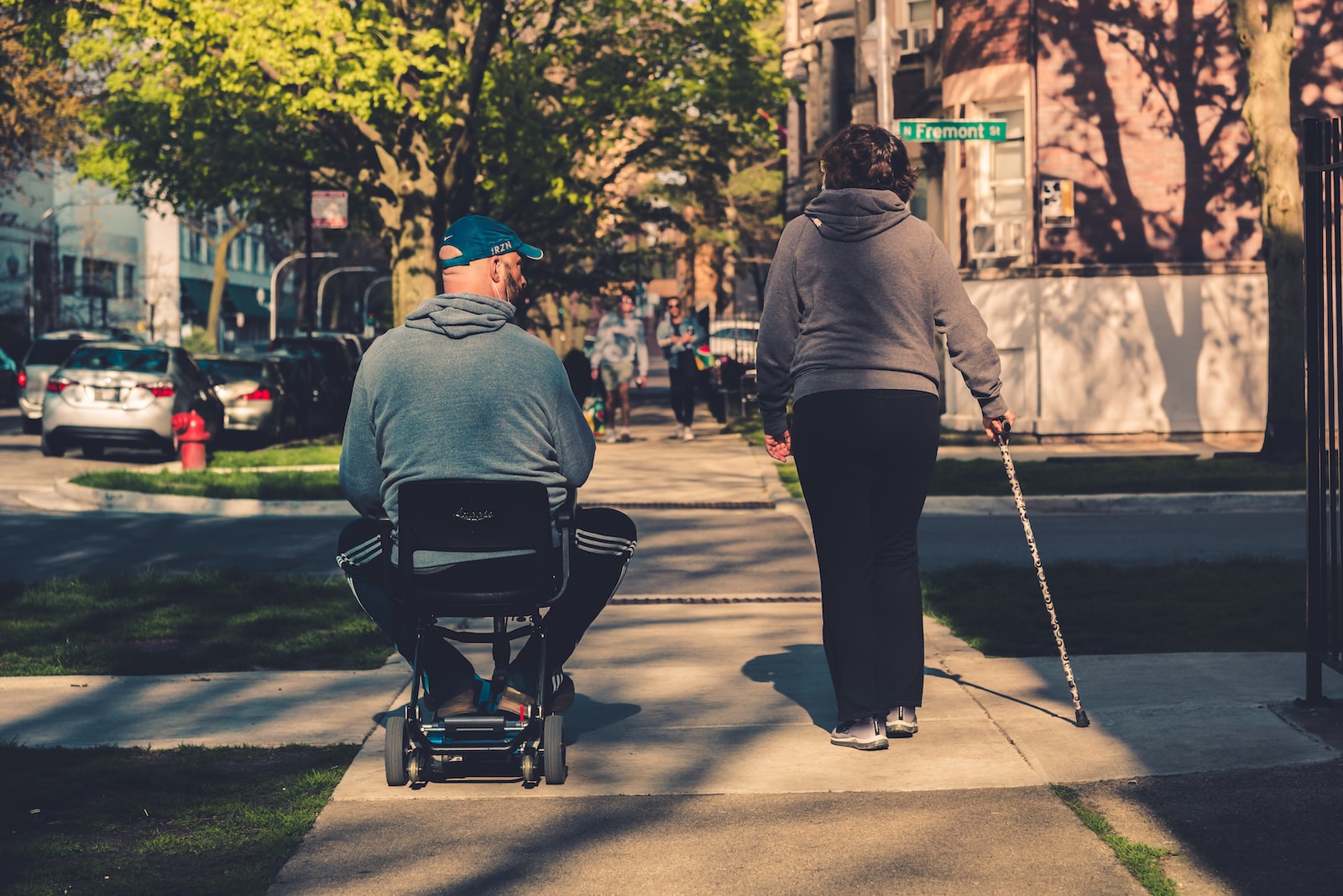
It’s happening now more than ever because we’re all getting old and living longer. Caregiving for aging parents can indeed be a rewarding responsibility, but triggers so much in the way of physical, emotional, and mental challenges. We’ve got to juggle everything, jobs, families, and personal commitments, and this is just the beginning. It’s no surprise this can lead to a lot of anxiety, but the key to sustaining your parents’ well-being as well as your own means adopting the right strategies that ensure long-term balance, strength, and peace of mind. Let’s show you a few:
Reputable Relationships With the Right Support
Even if your parents stay at home for now, building a relationship with a trusted retirement community can provide invaluable support. Facilities like these can offer short-term respite care, medical assistance, and support that can ease your caregiving load when necessary. Additionally, they’ll create opportunities for your parents to enjoy social activities and companionship, which is going to improve their well-being. This early connection can make future transitions far less stressful.
Preventative Health Care for You
Regular checkups, dental care, eye exams, vaccinations, screenings, and so forth are critical. Care should not be reactive but preventative, so if you can maintain a daily routine that’s going to promote hydration, movement, and balanced nutrition, this will prevent avoidable complications and save you time, energy, and worry further down the line.
Supporting Mental and Emotional Health
Cognitive and emotional well-being is just as vital as physical health in older adults, so look at engaging your parents in community events, conversations, or hobbies to help them feel a sense of purpose and connection. Even if they don’t want to socialize, you could encourage puzzles, journaling, gardening, or even listening to music to reduce feelings of isolation. You may also want to think about mindfulness exercises or group therapy sessions that you and your parents can attend together, and this will foster some shared moments of calm.
Don’t Forget Your Physical Fitness
As noble as it is to pour all of your energy into helping someone else, this invariably means that those people lose something of themselves in the process. It shouldn’t be about making a sacrifice for the sake of someone else, because if you can’t look after yourself, how are you expected to look after someone else to the best of your ability? Self-care can be little, but look at the things that you know will fill your cup, whether it’s a walk, yoga class, or resistance training session at home, you can be ready for the physical demands of caregiving. Your health should be the foundation upon which your ability to care rests.
Build a Support Network
Don’t think you need to do this alone, because you need to ensure that you have someone else to talk to, but also have those conversations about long-term care, finances, and legal decisions to prevent confusion later when you’re feeling the pressure from every direction. Caring for anybody requires balance for everybody. When a caregiver thrives, the people they care for will also prosper.