


Summer starts now in the adventure calendar. Whether you’re threading ridgelines in July or navigating a red-eye connection with a full pack in tow, the gear you carry either earns its place or costs you on the trail and in the terminal. These twelve picks are the ones that showed up this spring with something new to offer.
Just so you know: we don’t make a cent from sharing these picks. No affiliate links, no sponsored placements, no brand deals — just gear we think is worth your attention.
Adventure Gear
1. Osprey Atmos AG 65 — $370

Why it matters: The Atmos AG 65 has been the benchmark for comfortable multi-day carrying for years, and it’s still the pack to beat for anyone who’s going big. The Anti-Gravity suspension system genuinely moves with your body rather than fighting it, and 65 liters handles everything from a four-night route to a shoulder-season ski approach without compromise.
Why it’s a great buy: At $370, this is a premium pack priced at the lower end of premium. Osprey backs it with an All Mighty Guarantee, which means a lifetime of repairs. If you’re doing one or two major trips a year and want a pack that keeps up for a decade, the math works out clearly.
2. MSR FreeLite 2 — $499.95

Why it matters: Two pounds flat, freestanding, and genuinely two-person: the FreeLite 2 is the tent that erased most of the usual ultralight trade-offs. The non-curving doors mean you’re not crawling over your partner at 2 a.m., and the updated geometry adds real headroom without adding weight. It’s the shelter that serious backpackers have been waiting to see at this weight class.
Why it’s a great buy: At just under $500, it costs more than bomber four-season tents that weigh twice as much. But for three-season use where weight is the primary constraint, this is the sweet spot. The integrated groundsheet protection and solid vestibule space mean you’re not penny-pinching on coverage to save ounces.
3. Hyperlite Mountain Gear Unbound 40 — $369.95
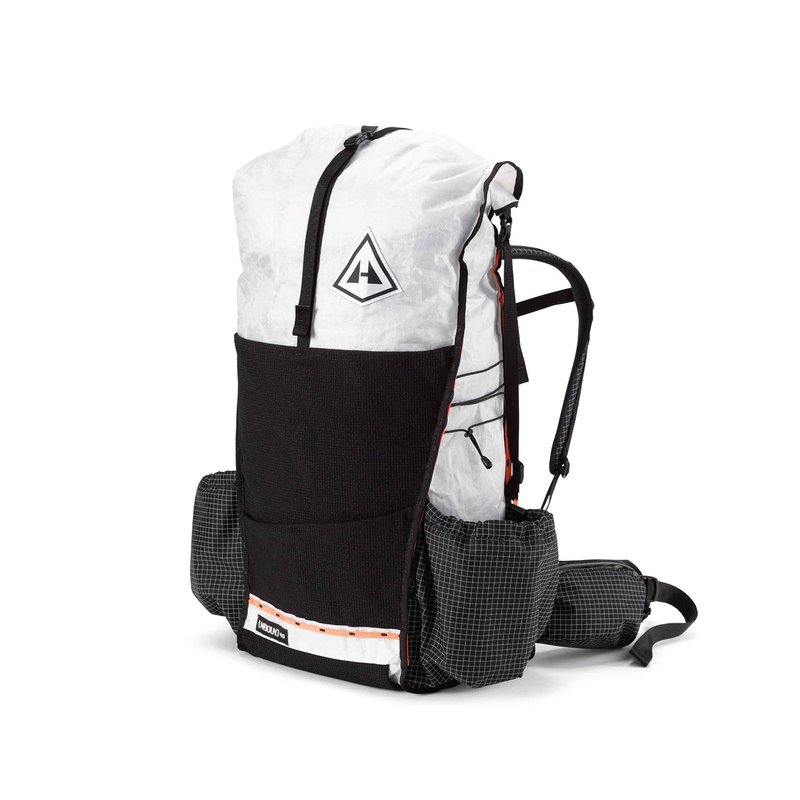
Why it matters: The Unbound 40 is built from Dyneema Composite Fabric, which means it’s practically waterproof, ultralight, and genuinely durable all at once. At around 30 ounces for a 40-liter frameless pack, it’s the right call for fast-and-light objectives where every gram gets scrutinized. HMG refined the pocket layout and load lifters on this generation, and it shows on technical terrain.
Why it’s a great buy: It’s a real investment, but HMG packs are built to last longer than most gear relationships. The Unbound 40 hits the crossover point between a weekend-capable pack and a legitimate thru-hiking tool, which makes it unusually versatile for the price. If you’re planning a PCT section, a hut-to-hut route, or just serious about weight, this is the one.
4. Sea to Summit Ultralight XR Insulated Sleeping Pad — $149
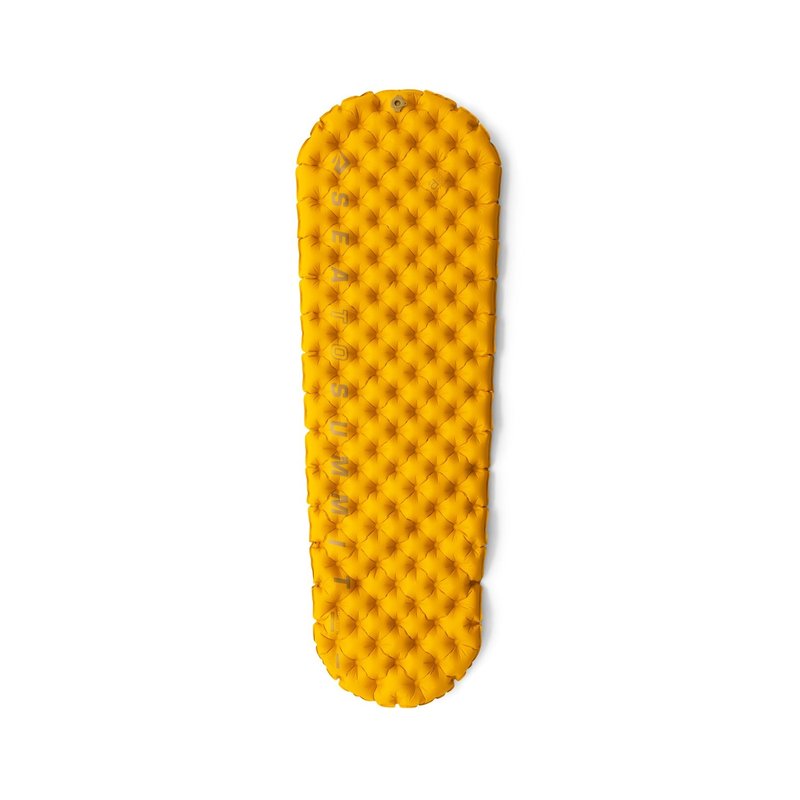
Why it matters: Sea to Summit redesigned the XR from the ground up for 2026, landing at under a pound for a regular with a 2.6-inch loft that actually holds pressure through the night. The insulated version adds R-value suitable for three-season use, and the new valve system inflates faster and seals more reliably than what came before. It was an REI exclusive at launch and is still one of the year’s most talked-about pad releases.
Why it’s a great buy: At $149 for a regular, this undercuts most comparable insulated ultralight pads by $30 to $50 while matching or beating them on weight. If you’ve been sleeping on an aging R-mat or a heavier inflatable, this is a meaningful upgrade that won’t blow up your base weight or your budget.
5. Garmin inReach Mini 2 — $399.99
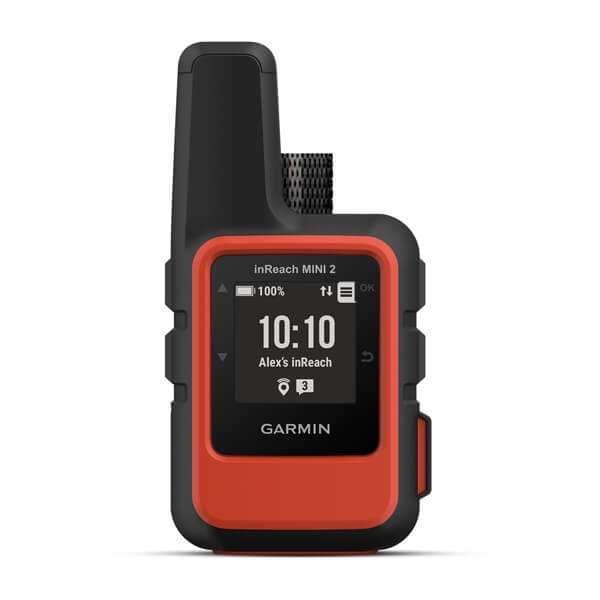
Why it matters: The inReach Mini 2 is the smallest two-way satellite communicator on the market that delivers real SOS capability, two-way messaging, and GPS tracking anywhere on Earth. It weighs 3.5 ounces. For anyone heading into terrain without cell coverage, it’s not a luxury item. It’s the device that gets you or a partner out of a genuine emergency.
Why it’s a great buy: The hardware is $399.99 and requires a monthly satellite plan (starting around $15/month for infrequent use), but the total cost stacks up well against competing satellite messengers. The Mini 2’s size and battery life are class-leading. This is the communicator that disappears into your kit and only matters when it really matters.
6. Outdoor Research Helium Rain Jacket — $180

Why it matters: The Helium Rain Jacket has earned its reputation as the go-to ultralight hardshell by being genuinely packable, actually breathable, and waterproof enough to handle sustained Pacific Northwest rain, not just a passing shower. Pertex Shield Diamond Fuse 2.5-layer construction keeps it supple and light without the crinkle-factor of cheaper shells. It packs to roughly the size of a softball.
Why it’s a great buy: At $180, it’s one of the best value-per-ounce rain jackets you can buy right now. The Helium line has been dialed in over multiple iterations, so what you’re getting is a mature product rather than a first-gen experiment. For hikers, trail runners, and anyone who needs real weather protection without a penalty in the pack, this is the call.
Travel Gear
7. HOKA Speedgoat 7 — $155
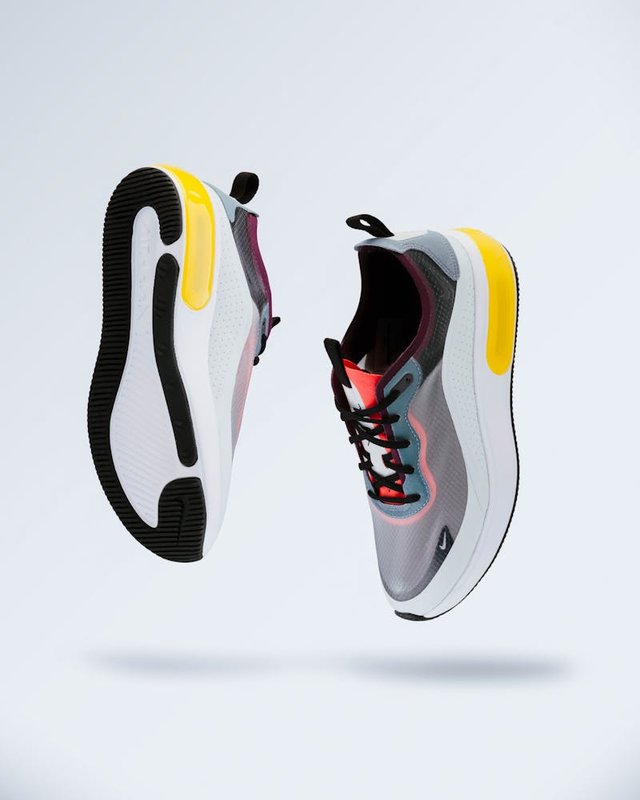
Why it matters: The Speedgoat 7 updates HOKA’s flagship trail shoe with a bouncier midsole foam and a more locked-in heel collar that addresses the slippage complaints that dogged earlier versions. The Vibram Megagrip outsole is unchanged because there’s no reason to change it. This shoe handles scree, wet rock, and root-covered singletrack with equal confidence and has become the default answer for anyone asking what trail shoe to buy.
Why it’s a great buy: At $155, it’s priced at the top of the trail shoe market but competes with everything at that price point and wins on technical terrain. The updated cushioning makes it more viable for back-to-back days on a multi-day trip, which is where trail shoe durability gets tested. Current availability is tight, so if your size is in stock, don’t wait on it.
8. Anker MagGo Power Bank 10K (Slim) — $68
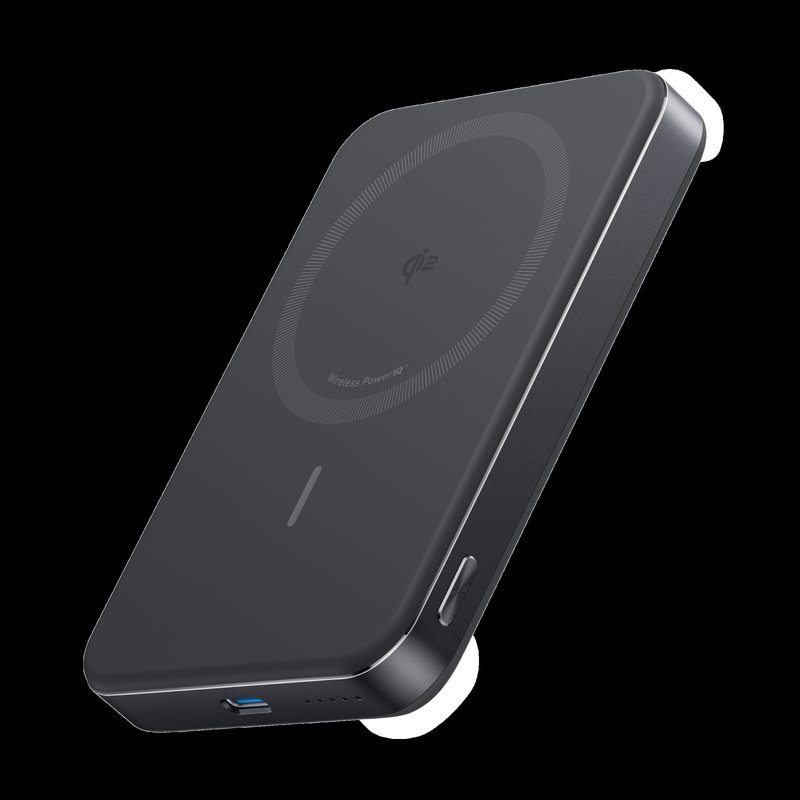
Why it matters: This is the power bank that actually earns the MagSafe label. It snaps magnetically to the back of an iPhone, doesn’t fall off mid-flight, and delivers 15W Qi2 wireless charging alongside a 30W USB-C port for simultaneous wired charging of a second device. The slim form factor means it stacks cleanly against the phone rather than turning your pocket into a brick.
Why it’s a great buy: At around $68, it’s cheaper than most competing MagSafe-compatible banks of comparable capacity and better designed than most of them. Anker’s reliability track record at this price point is solid. For anyone managing power across a long travel day on iPhone, this has become the obvious pick.
9. TESSAN GaN 65W Universal Travel Adapter — $40
Why it matters: The TESSAN 65W handles US, UK, EU, and AU plug types with two USB-C PD ports and two USB-A ports. The 65W output is enough to fast-charge a laptop, which means this adapter replaces both your region-specific plug adapter and your dedicated laptop charger. GaN technology keeps it compact enough to not block neighboring outlets in a crowded airport lounge.
Why it’s a great buy: At around $40, it’s one of the best-priced 65W GaN adapters on the market and routinely recommended by frequent travelers. The build quality on TESSAN adapters is consistently better than the price suggests. This is the kind of product that pays for itself the first time it saves you from a $30 airline lounge charger.
10. Cabeau Evolution X Neck Pillow — $49.99
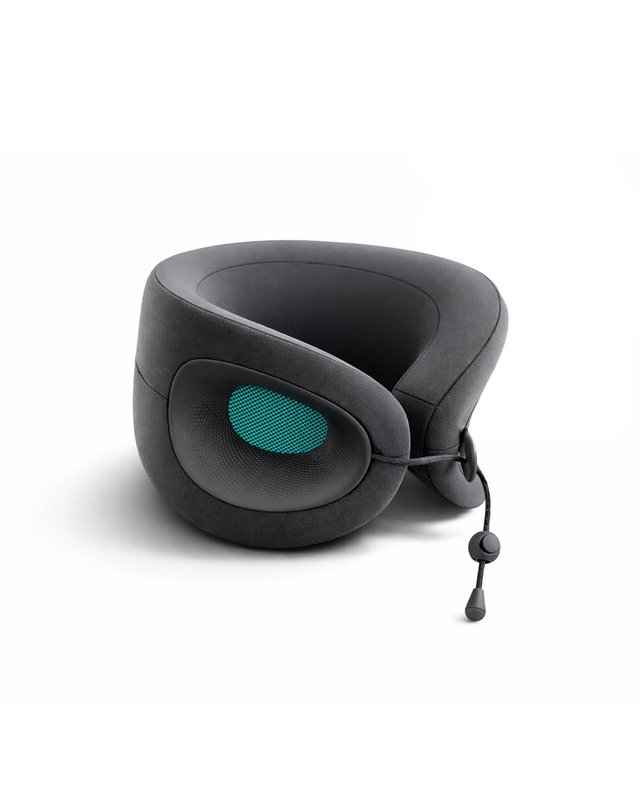
Why it matters: The Evolution X solves the fundamental problem with travel neck pillows: they only work if you sleep at a particular angle. Cabeau engineered three adjustment points into this one, covering circumference, height, and front clasp position, so it actually adapts to how you sit rather than requiring you to sit like a mannequin. The dual-density memory foam holds its shape through a transatlantic flight and compresses down for packing.
Why it’s a great buy: At $49.99, it’s at the top of the mass-market neck pillow range but below the premium $80-plus options that don’t deliver meaningfully more. CNN Underscored and multiple travel editors landed on it as a top pick this year. If you’ve given up on neck pillows after bad experiences with cheaper ones, this is the version worth trying.
11. Apple AirTag 2 (4-Pack) — $99
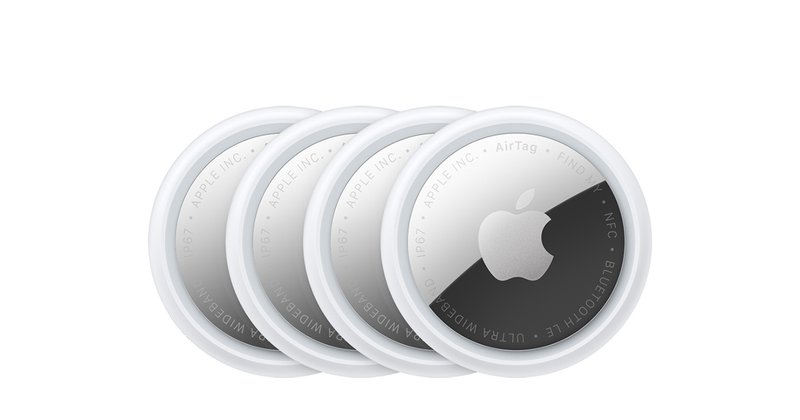
Why it matters: The second-generation AirTag launched in early 2026 with an Ultra Wideband chip that extends Bluetooth range significantly and holds a signal longer through the RF-dense environment of a major airport. That last part is the real upgrade: checked bag tracking in crowded terminals was where the original AirTag would regularly drop out. The new chip addresses exactly that failure point.
Why it’s a great buy: At $99 for a four-pack, you’re getting $25 per tracker for hardware that runs on user-replaceable CR2032 batteries and integrates directly into iPhone’s Find My ecosystem without a subscription. One goes in the checked bag, one on the camera bag, one in the kids’ backpack. The per-unit cost at this quantity makes it a straightforward call.
12. Loop Switch 2 Earplugs — $64.95
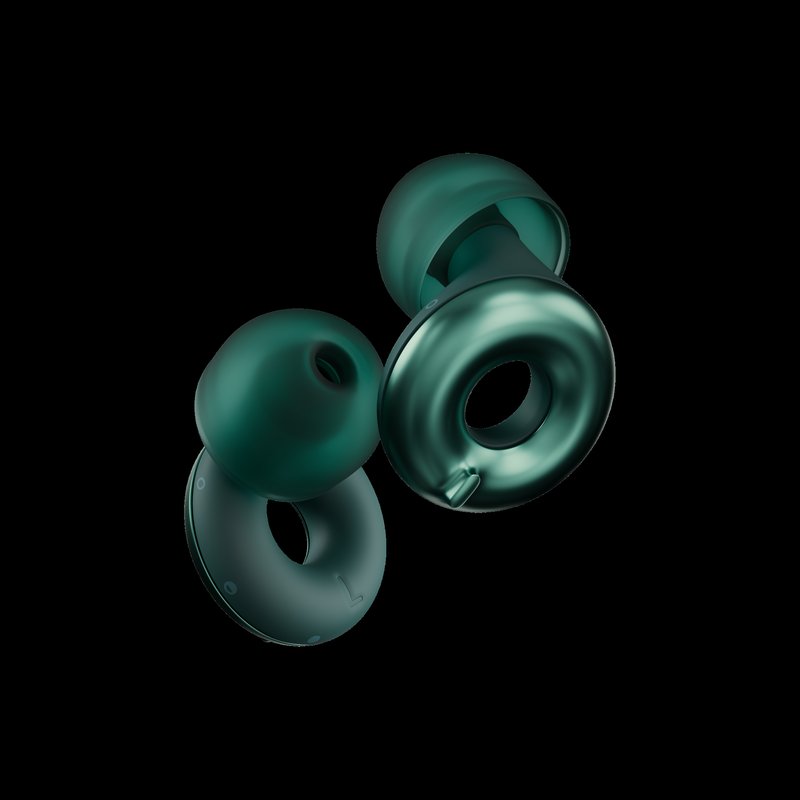
Why it matters: The Switch 2 is Loop’s best earplug because it does three jobs in one: Quiet mode for blocking noise on a loud flight, Engage mode for reducing overall volume while keeping speech intelligible, and Experience mode for protecting your hearing at loud events without killing the music. The switch is mechanical, so there are no batteries, no apps, and no pairing issues. It works on the plane, in the hostel common room, and at the festival on the other side of the trip.
Why it’s a great buy: At $64.95, it’s more expensive than disposable foam earplugs but cheaper than the premium custom-molded options that run $150 and up. The Switch 2 covers more use cases than any single-mode earplug can, which makes it the right tool for a travel kit where you’re carrying one thing that needs to handle multiple environments. Loop’s build quality on this generation is noticeably tighter than previous models.
Header photo: Pexels / Free to use under the Pexels License.