

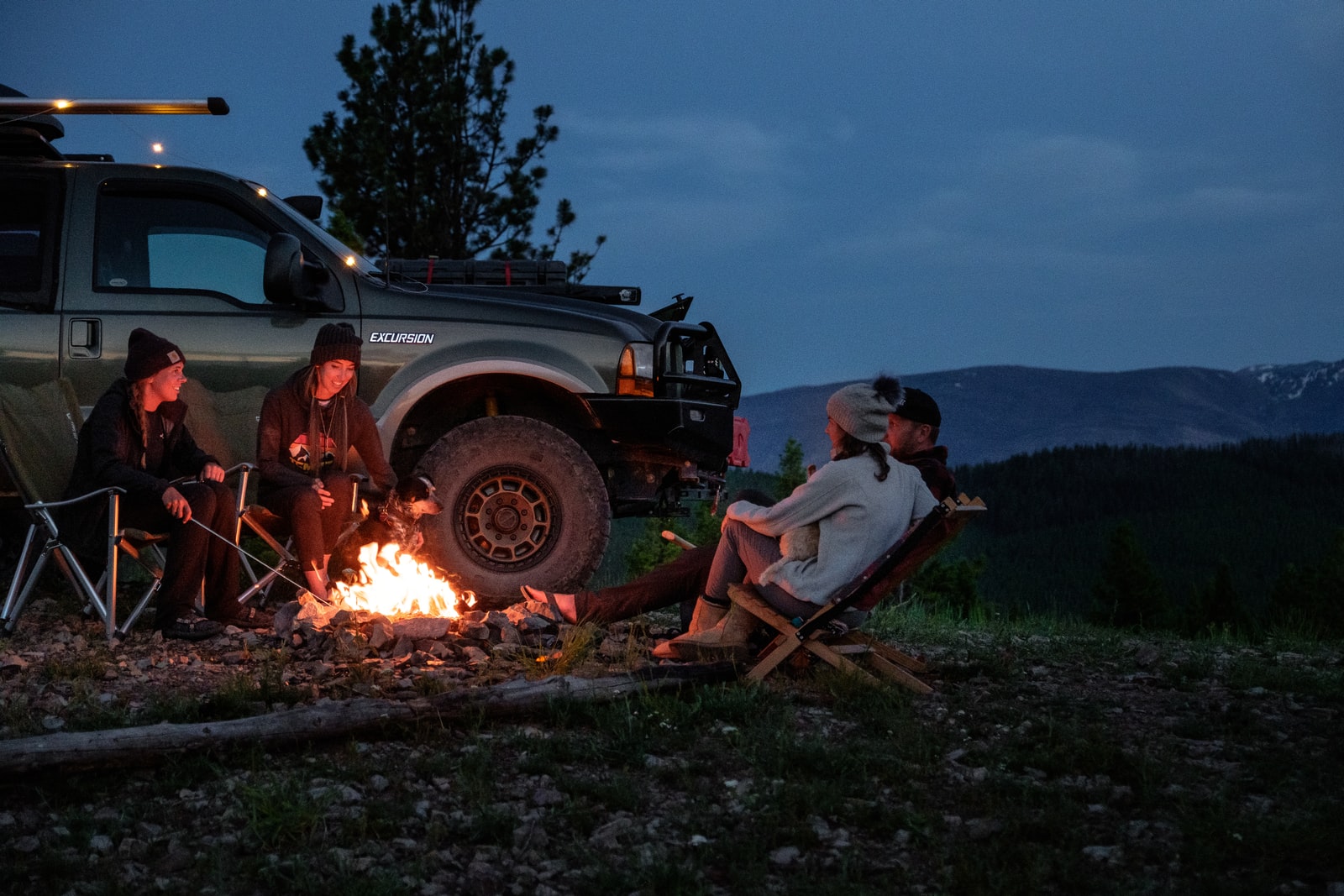
Overlanding gets misunderstood fast. It is not extreme rock crawling and it is not parking at a campground with hookups. Overlanding is vehicle based travel where the journey matters as much as the destination. The goal is self reliance while moving through remote places over multiple days, sometimes weeks. You drive. You explore. You stop when a place feels right, not when a reservation tells you to.
The defining trait is independence. You carry what you need, plan routes that may not have services nearby, and adapt when conditions change. Overlanding is slow by design. Miles are earned, not crushed. That slower pace creates space to notice landscapes, weather patterns, and the small decisions that make travel feel real instead of scheduled.
How It Differs From Camping And Off Roading
Camping usually revolves around a fixed spot. Off roading often focuses on obstacles and adrenaline. Overlanding sits in the wide middle ground. You still camp, but camp moves with you. You still drive rough roads, but the challenge is endurance and logistics, not a single technical section.
This difference matters because it shapes expectations. Overlanding days are filled with navigation, problem solving, and long stretches of dirt. Some days feel quiet. Others demand focus and patience. If you need constant stimulation, it may feel slow. If you enjoy being mentally present and adaptable, it clicks quickly.
The Vehicle Question Everyone Asks
People assume overlanding requires a heavily modified rig with expensive parts bolted everywhere. That belief keeps many from starting. Reality is more flexible. Clearance, reliability, and storage matter more than brand or price. A stock vehicle in good condition can handle many routes with smart planning.
Overlanding is less about what you drive and more about how you use it. Tires matter more than horsepower. Maintenance matters more than lift kits. You can even see travelers building entry-level setups like the Chevy Equinox, proving that thoughtful preparation often beats brute capability.
What You Actually Do All Day
Overlanding days are textured. Mornings start with breaking camp and checking maps. Driving fills a chunk of the day, but rarely in a straight line. You stop for views, reroute around washed out sections, and slow down for wildlife or weather.
Afternoons might involve finding water, scouting a campsite, or fixing something small before it becomes a problem. Evenings settle into simple routines. Cooking, organizing gear, and watching light change across the landscape. It is engaging without being rushed. That rhythm is what many people fall in love with.
The Skills You Pick Up
Overlanding teaches practical skills quietly. Navigation becomes second nature. You learn how weather affects terrain. You get better at packing efficiently because clutter becomes annoying fast. Mechanical awareness grows because you are paying attention to your vehicle in real conditions.
None of this feels like a lesson plan. It happens through repetition and necessity. That makes the confidence stick. You start trusting your judgment, which carries into other parts of life in subtle ways.
Will You Actually Like It
Overlanding suits people who enjoy autonomy and problem solving. It rewards patience and curiosity. It asks for flexibility when plans change and humility when mistakes happen. Comfort exists, but it is earned and often simple.
If you like structured itineraries and predictable outcomes, it may frustrate you. If you enjoy adapting, learning on the fly, and feeling capable in unfamiliar places, it can become deeply satisfying. Overlanding is not about escaping life. It is about engaging with it more deliberately, one mile at a time.